
How to Make the Perfect Pavlova

, Updated Sep 16, 2026
This post may contain affiliate links. Please read our disclosure policy.

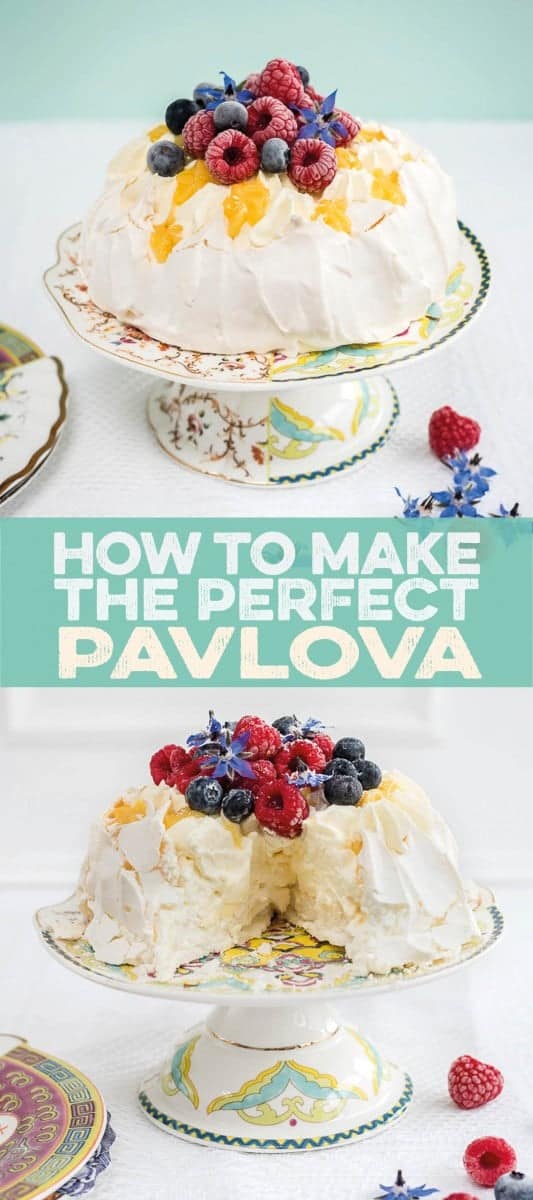
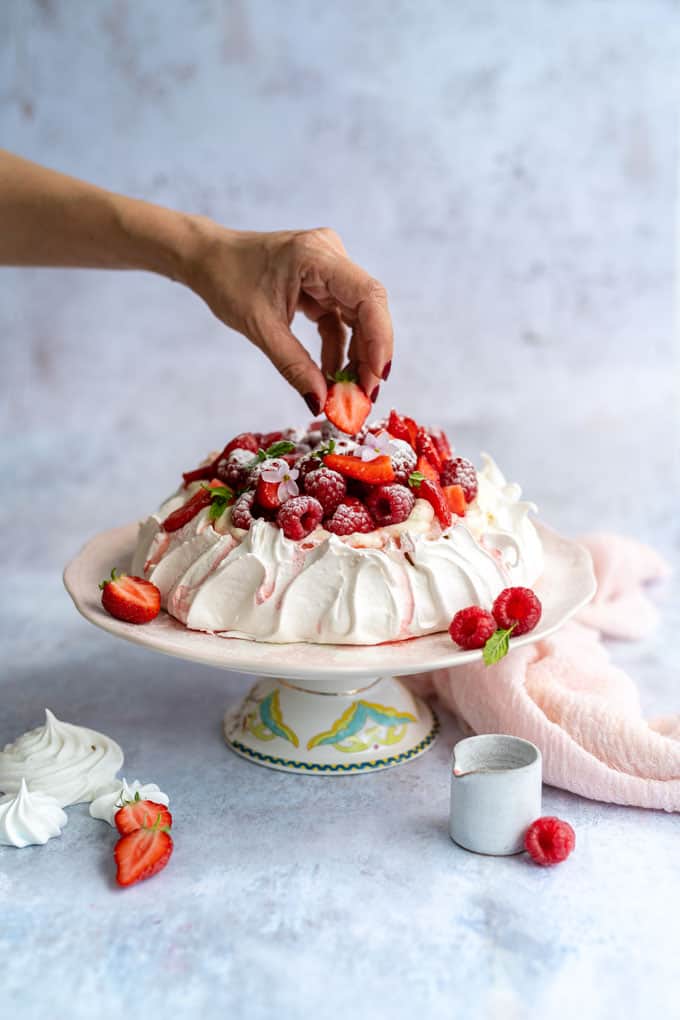
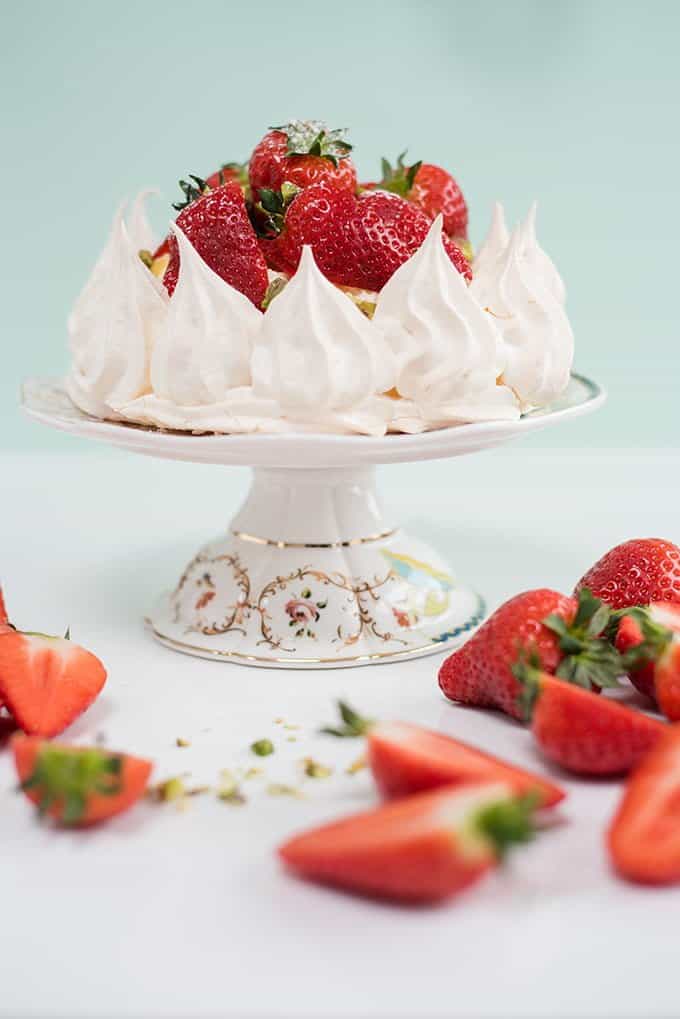
The Perfect Pavlova should be snowy white, crisp on the outside and slightly marshmallowy on the inside. Getting it right every time is easy if you follow a few basic guidelines. Check out my step-by-step guide, recipe video and be sure to read the troubleshooting tips based on personal pavlova flops!
Check out my guide to Perfect Meringue Nests and Air Fryer Pavlova!
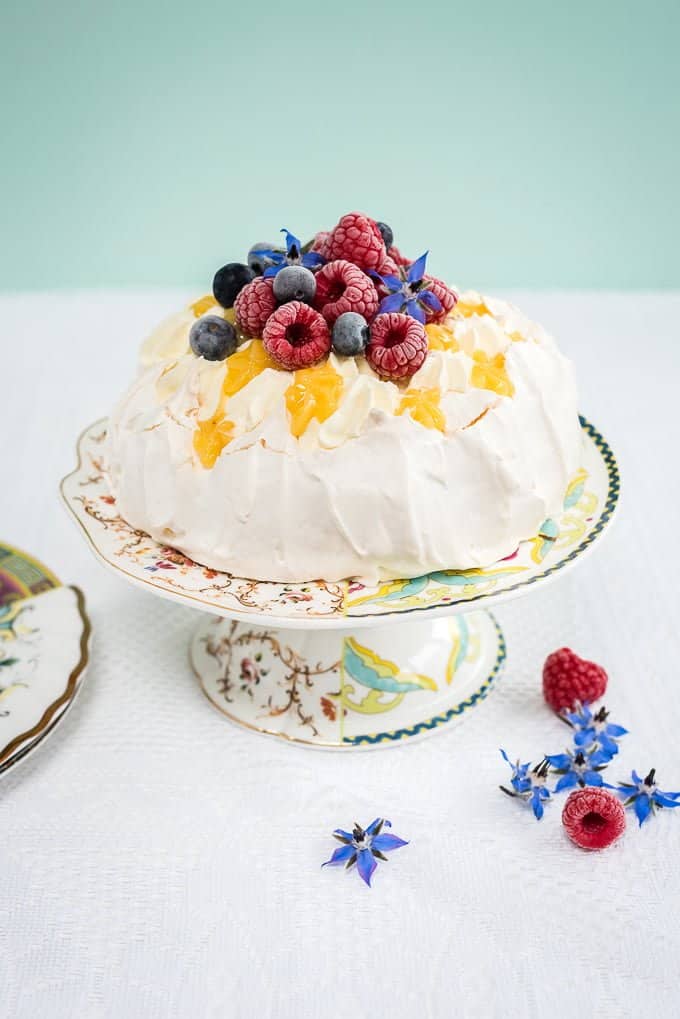
I have updated my popular 2017 guide on How to Make the Perfect Pavlova to include a recipe video, illustrated step-by-step guide and even MORE answers to common questions. I hope you will find it helpful in creating the best pavlova ever, the first time and every time after that!
Why Is It Called Pavlova?
Pavlova was created for – and named after – the Russian ballerina Anna Pavlova while she was touring New Zealand in 1926. There has since been some controversy over the origins of this dessert.
Both Australia and New Zealand have laid claim to the recipe but I will let them fight it out among themselves! What is unquestionable is that the dessert is still enormously popular in both countries and around the world.
What’s a Pavlova Then?
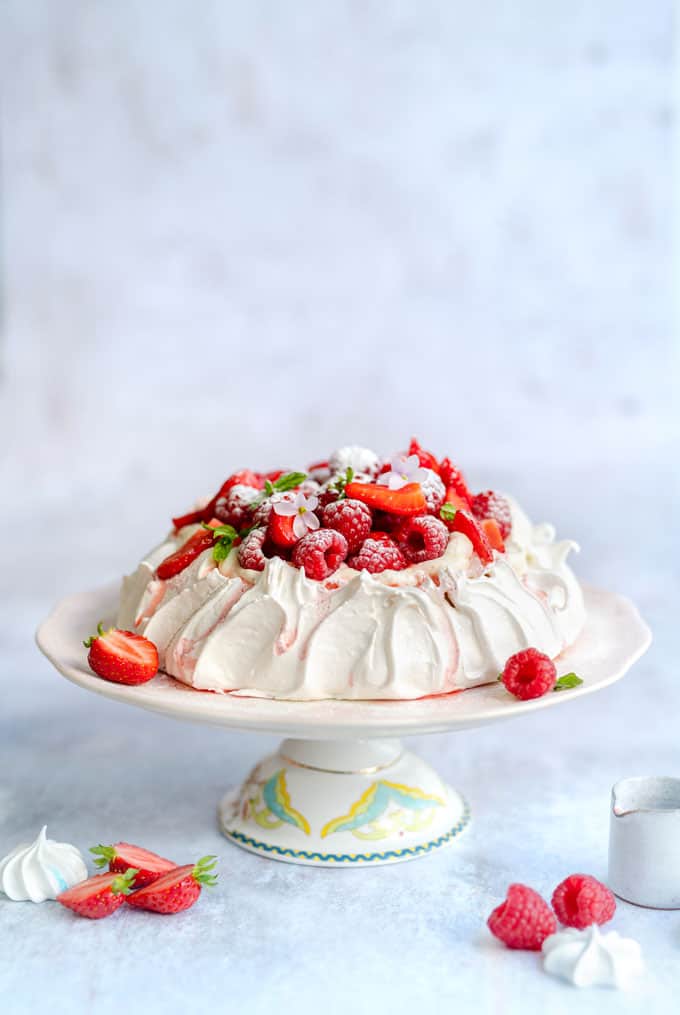
Pavlova is a glorious dessert made simply from egg whites and sugar (meringue). The meringue shell is crisp with a unique marshmallowy texture within thanks to the addition of vinegar and cornstarch.
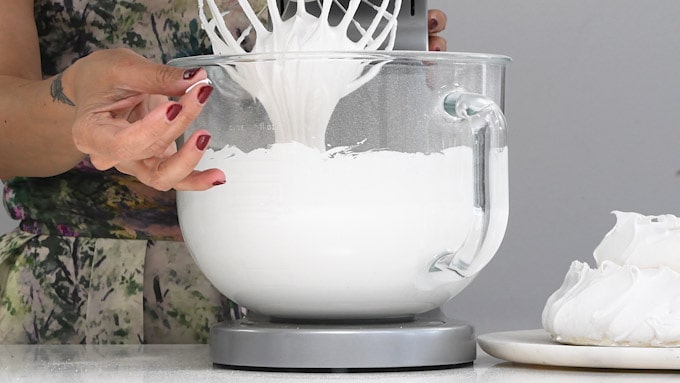
The egg whites are whipped until they reach soft peaks and then the sugar is added gradually until the meringue is light as air, glossy and so thick you could hold the bowl over your head without fearing it would fall out.
The meringue is then spooned or piped onto a tray and baked at a low temperature which dries it out until it becomes crisp on the outside while retaining some moisture within.
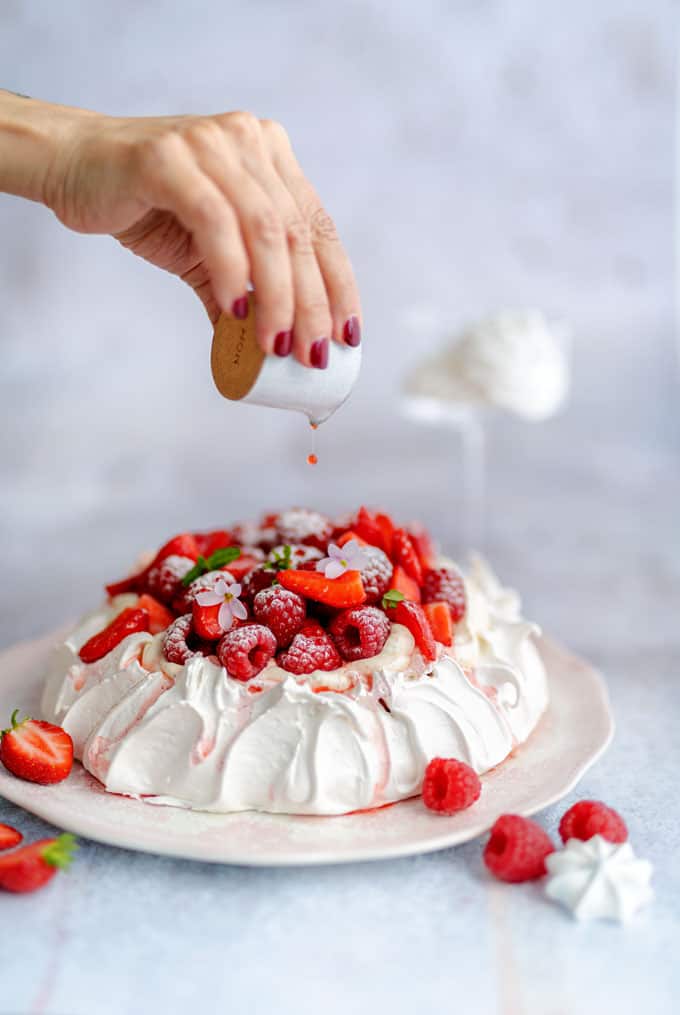
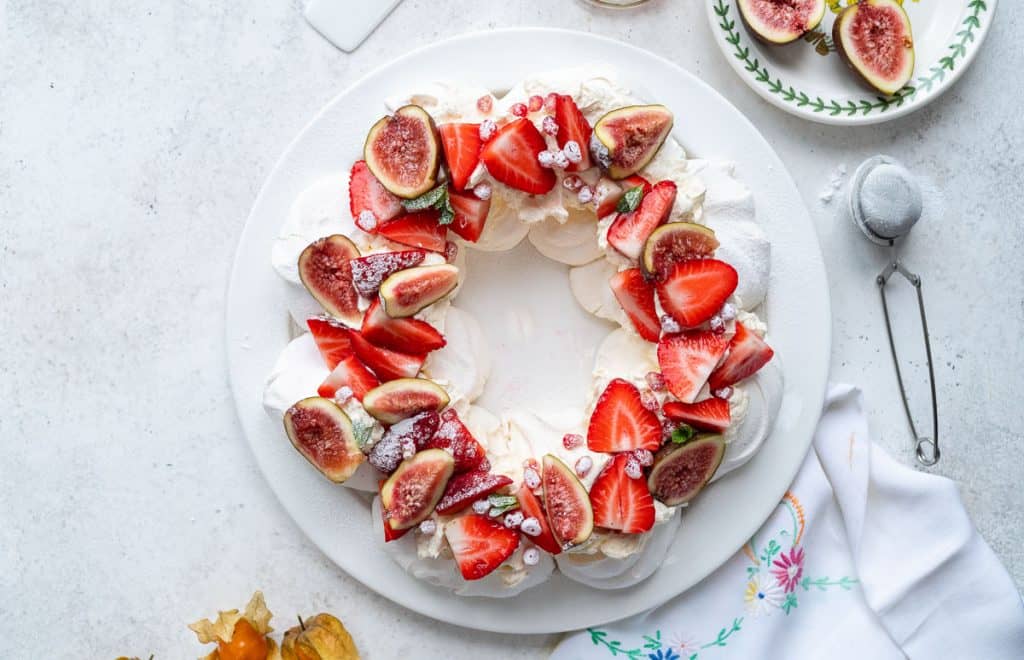
Once the pavlova shell has cooled it is filled with freshly whipped sweetened cream and fresh berries or tropical fruit which undercut some of the sweetness.
Making the perfect pavlova every time takes a little practice but once you master the recipe you will have perfect results every time!
Expert Tips for Perfect Results
- If you find that the sugar takes FOREVER to dissolve (sometimes it does!), use my Swiss Meringue Pavlova recipe. In this version the egg whites and sugar are heated together first so the sugar dissolves and the meringue is more stable.
- Blitz the sugar in a food processor for a few seconds. You want the granules to become smaller so they dissolve more easily but not so small that you end up with powdered sugar. I use caster sugar (superfine sugar) but you can also use granulated sugar provided you process it first.
- Wipe the stand mixer with lemon juice or vinegar to get rid of all traces of grease. Make sure the whisk and any spatulas etc. are also squeaky clean!
- Weigh your egg whites! Lots of pavlova recipes go by the number of eggs instead of weight of egg whites but eggs can contain varying amounts of albumen. One large egg usually contains two tablespoons of egg white (30ml/1 fl oz) – use this as a guide when working out the ratio for your recipe (see below). For best results rely on digital scales.
- Ratio of egg whites to sugar: I prefer to go one part eggs to two parts sugar. For example 5 egg whites (150ml) will need 300g sugar. You can reduce the amount slightly if you like.
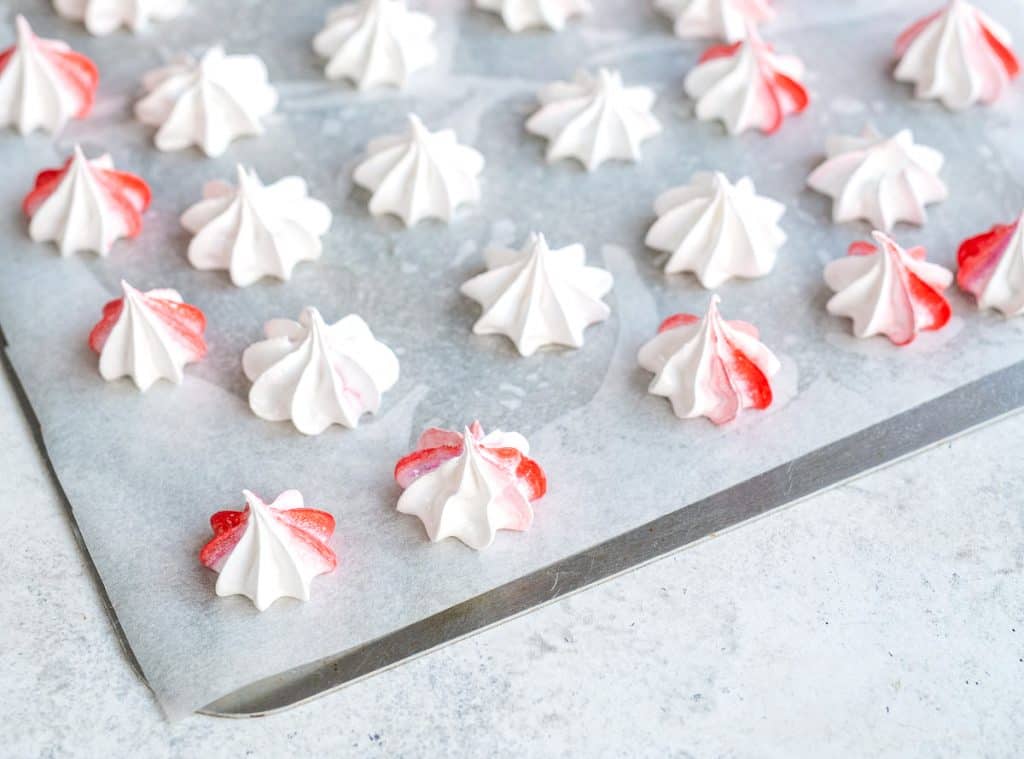
- Leftover meringue can be piped into kisses or meringue cookies. Use these to decorate your Pavlova or cakes. They can be baked at the same low temperature but they will probably be ready in 60 minutes – test one by lifting off the tray.
Choose the Right Oven Temperature
This is a big factor in pavlova success and sometimes ovens can be a bit temperamental! Please note I have given the temperature in both Celsius and Fahrenheit so make sure you pick the right degrees for your location/oven.
- If you know your oven runs hot or cold (perhaps your cakes always burn or are always uneven?) it would be worth investing in an oven thermometer.
- If you are using a fan forced oven the recommendation is to reduce the temperature by 15-20 degrees. I prefer to turn the fan off when making pavlova or macarons.
- Avoid opening the oven while the pavlova is baking – cook for nearly 2 hours and then leave in the (turned off) oven to cool down.
- If you can’t resist checking, wait until the oven door doesn’t feel hot any more. Your meringue shell should feel crisp and dry and lift off the paper easily. If it is sticking to the paper, continue to cook for a bit longer.
Lucy’s Pro Tip
Adjusting for High Altitude
According to a few forums it is best to bake at 110°C (225°F) for 90 minutes -2 hours. I have had a few readers experience issues with baking at my suggested temperature of 90°C (195°F) which I haven’t had any issues with, having tested this recipe extensively. If in doubt, bake at this slightly higher temperature.
How to Make the Perfect Pavlova
Take a look at this step by step tutorial – please note you will find the full recipe, including ingredients in the recipe card at the end of this post.
Make the Meringue
- Preheat the oven to to 130°C (270°F) and place the shelf in the middle or lower end of the oven. Line a large baking sheet with greaseproof paper and trace a 20cm (8in) circle on it. Alternatively you can make two smaller pavlovas of 15cm (6in) but you might need to bake them on two trays.
- Wipe your mixer bowl with lemon juice. Put the egg whites and cream of tartar in the mixing bowl and briefly mix together with a balloon whisk to combine. Start whisking on LOW SPEED until the egg whites start to form large and then smaller bubbles and become foamy.
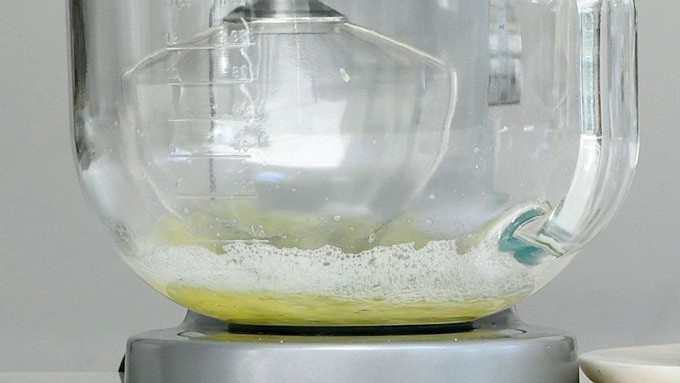
- Continue whisking on MEDIUM SPEED until the egg whites have formed soft peaks. Start adding the sugar one tablespoon at a time while whisking on medium speed. Be patient, it can take as long as 10 minutes for all the sugar to be incorporated.
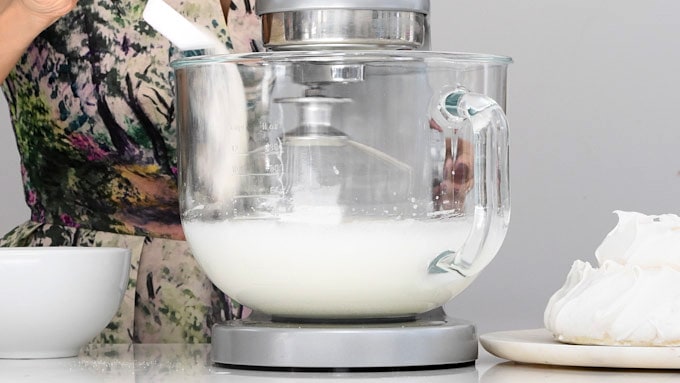
- Increase the speed to MEDIUM HIGH and continue whisking until the meringue is stiff and glossy. Feel a small amount of meringue between your fingers – if it feels gritty then the sugar hasn’t fully dissolved yet.
- Add the lemon juice (or vinegar), cornflour (cornstarch) and vanilla paste and whisk them in for 30 seconds until incorporated.
Shape Your Pavlova
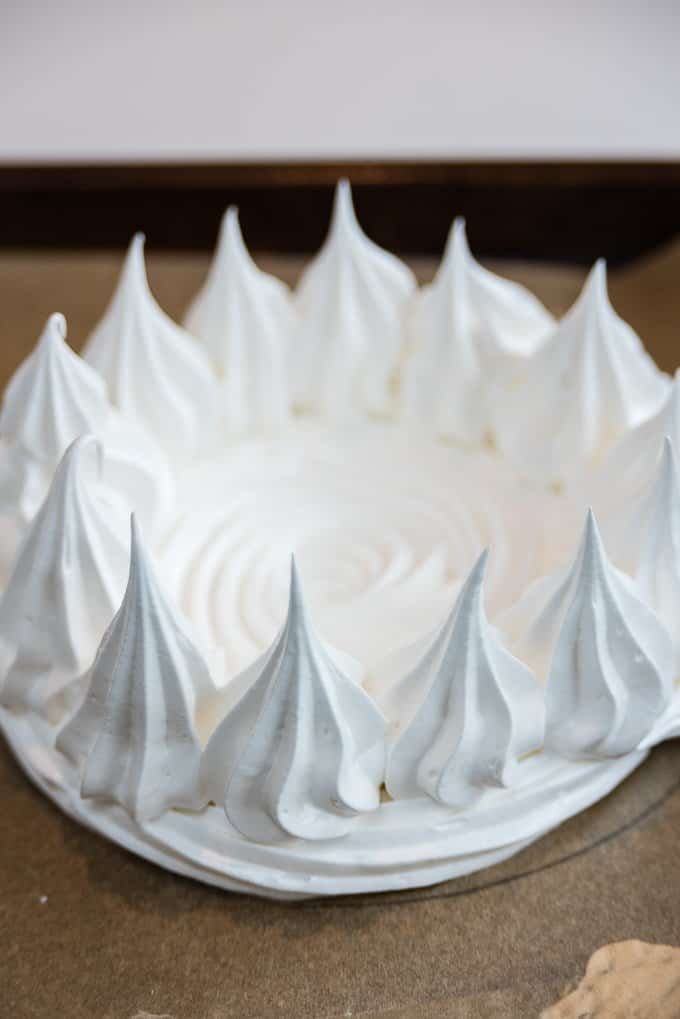
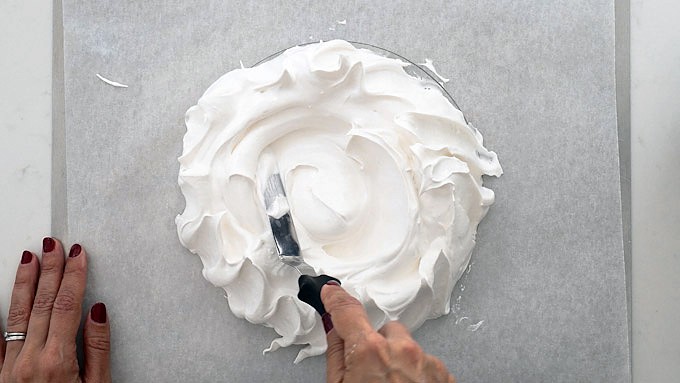
- Pile the meringue on your tray, quite high, to fill the circle you traced. Use an offset spatula to shape it, making a small indent in the centre. Alternatively you can pipe the meringue instead of freestyling for a more structured look or make mini pavlovas (meringue nests).
Bake the Pavlova
- Bake for 20 minutes then REDUCE the oven temperature to 90°C (195°F) or up to 110°C (225°F) please see notes about altitude. Bake for a further 90 minutes without opening the oven door.
- Turn the oven off and leave the pavlova to cool inside the oven for 5-6 hours or overnight to avoid cracks. At this point you can store the cooled meringue shells in an airtight container for several days.
Fill and Serve
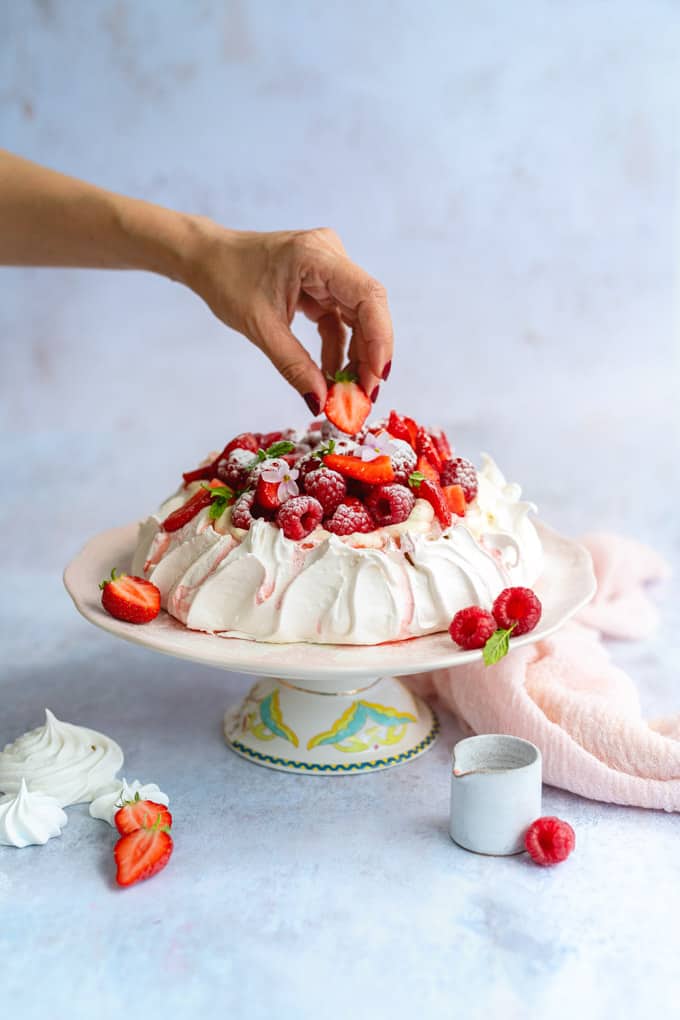
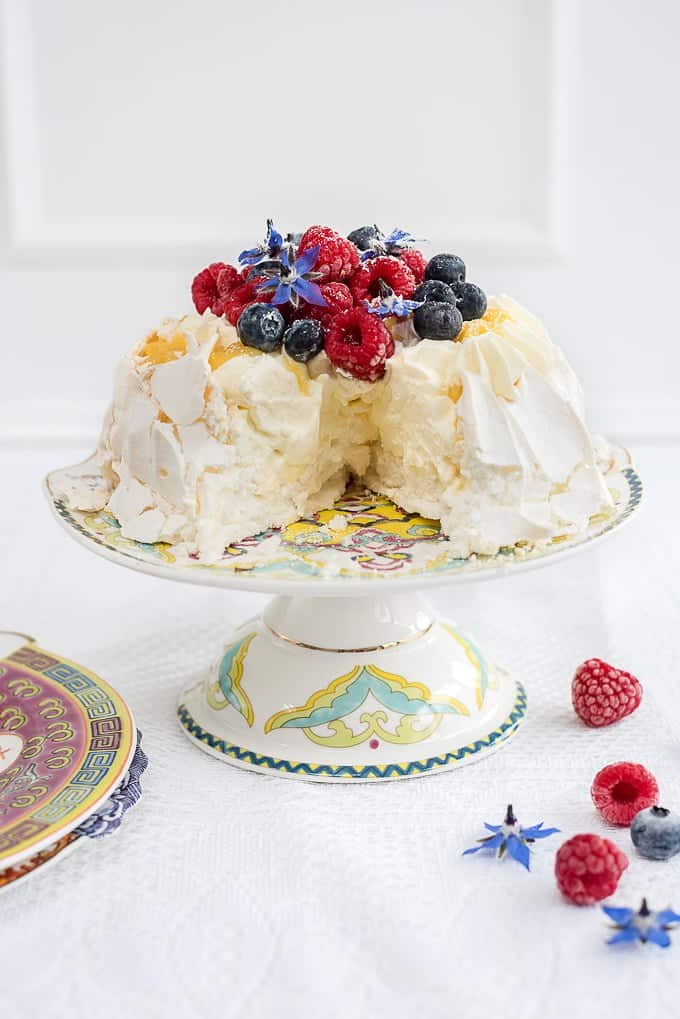
- Fill your pavlova with softly whipped double (heavy) cream when you are ready to serve. Do not fill in advance as the cream will cause the meringue to soften and you will end up with an Eton mess!
- Top your pavlova with fresh berries or tropical fruit. A little lemon curd or passion fruit jam adds a welcome tartness. Dust with powdered sugar and serve immediately.
Pavlova Tips and Troubleshooting
- My pavlova is completely flat! The culprit is usually a too-hot oven if you have followed the recipe to the letter. I usually preheat the oven to 130C (270F) but reduce the heat to as low as 90°C (195°F) once the pavlova goes in. PLEASE SEE NOTES ABOUT OVEN TEMPERATURE!
- My pavlova is brown! Your oven is too hot or has hot spots. You might need to experiment to see what temperature works best for you and your oven. If in doubt, cook at a slightly lower temperature for a little longer.
- Can you make Vegan Pavlova? Yes you can! Replace the egg whites with equal amount aquafaba (the liquid drained from a can of chickpeas) and follow the recipe in the same way.
- Do I need to add vinegar and cornflour? I have made pavlovas without either of those ingredients and they worked just fine. I prefer to use lemon juice instead of vinegar but they both work in the same way.
- Can you make a sugar-free version? Sugar helps the meringue become glossy and form stiff peaks and creates a crisp texture once baked. You CAN make a reduced sugar pavlova by replacing some of the sugar with sweetener – the meringue will not be as stiff and the texture is definitely different but not bad!
Related Recipes



Have you made my Pavlova recipe? Please leave a rating, post a photo on my Facebook page, share it on Instagram with @supergolden88 the tag #supergoldenbakes and make my day!

The Perfect Pavlova | Step By Step Guide
Video
Ingredients
For the pavlova
- 1 ¼ cuos (180ml) egg whites from 6 large eggs
- ¼ tsp cream of tartar (optional)
- 1 ⅔ cups (350g) superfine sugar (= caster sugar)
- 2 tbsp cornstarch (= cornflour)
- 1 tbsp lemon juice
- 1 tsp vanilla extract or paste
To fill and decorate
- 2 cups (500ml) heavy cream (= double cream)
- ½ cup + 2 tbsp (125g) powdered sugar (= icing sugar)
- 1 tsp vanilla extract or paste
- 6 tbsp lemon or passionfruit curd (optional)
- 2 cups (280g) fresh berries
- powdered sugar (= icing sugar), to dust
Instructions
- Preheat the oven to to 130C (270F) and place the shelf in the middle or lower end of the oven. Line a large tray with baking paper and trace a 20cm (8in) circle on it.
- Wipe your mixer bowl with lemon juice. Put the egg whites and cream of tartar in the mixing bowl and briefly mix together with a balloon whisk to combine.1 ¼ cuos (180ml) egg whites, ¼ tsp cream of tartar
- Start whisking on LOW SPEED until the egg whites start to form large and then smaller bubbles and become foamy.
- Continue whisking on medium-low speed until the egg whites have formed soft peaks. Start adding the sugar one tablespoon at a time while whisking on medium speed. Be patient, it can take as long as 10 minutes for all the sugar to be incorporated.1 2/3 cups (350g) superfine sugar
- Increase the speed to medium high and continue whisking until the meringue is stiff and glossy. Feel a small amount of meringue between your fingers – if it feels gritty then the sugar hasn’t fully dissolved yet.
- Continue to whisk until the sugar is fully dissolved and the meringue is stiff and glossy.Add the lemon juice (or vinegar), cornflour and vanilla paste and whisk them in for 30 seconds.2 tbsp cornstarch, 1 tbsp lemon juice, 1 tsp vanilla extract or paste
- Pile the meringue on your tray, quite high, to fill the circle you traced. Use an offset spatula to shape it, making a small indent in the cener. Alternatively you can pipe the meringue for a more structured look.
- Bake for 20 minutes then REDUCE the oven temperature to 90°C (195°F) or up to 110°C (225°F) please see notes about altitude. Bake for a further 90 minutes without opening the oven door. Turn the oven off and leave the pavlova to cool inside the oven for 5-6 hours or overnight to avoid cracks. At this point you can store the cooled meringue shells in an airtight container for several days.*** READERS BAKING AT HIGH ALTITUDE: Bake at 110°C (230°F).
- Whisk the cream, icing sugar and vanilla extract until you have soft to medium peaks.2 cups (500ml) heavy cream, ½ cup + 2 tbsp (125g) powdered sugar, 1 tsp vanilla extract or paste
- Ripple the lemon curd into the whipped cream and fill the pavlova once you are ready to serve (do not fill in advance). Pile a handful of fresh berries over the top and serve with a dusting of icing sugar.6 tbsp lemon or passionfruit curd, 2 cups (280g) fresh berries , powdered sugar
Nutrition
Nutritional information is always approximate, and will depend on quality of ingredients and serving sizes.


Failed miserably. I have a mixing bowl of complete liquid after 30 minutes of mixing. I’ll go back to my original recipe, this was a waste of time and money.
If your meringue is still liquid after 30 minutes there must have been egg yolk or grease in the bowl – did you check all my troubleshooting tips?
I was trying to make a sugar free Pavlova but after reading your comments and explanations of common mistakes I gave up. I followed your recipe and made mini pavlovas. And they turned out amazing. I topped them with lemon curd from your another recipe and whipped cream and fresh berries. Thank you very much
Hi Sergio – in my experience a fully sugar free pavlova doesn’t work. But you can experiment by reducing the sugar amount and replacing some of it with a granulated sweetener such as Sukrin. In any case very glad the mini pavlovas worked out for you!
Looks beautiful after being cooked, although when I tried to move it to a serving tray, the middle was not cooked properly, as others have stated. I followed the directions, achieved beautiful stiff peaks and used time and temp directions as indicated but am thinking this was not high enough temp and/or for long enough to cook it correctly. Unfortunate, but will try my hand again at a pavlova sometime.
Hi Renee,
Sorry it didn’t work out 🙁
I have tested this recipe so extensively I can only conclude that different ovens yield different results. I have updated the recipe to include a slightly longer cooking time
My pavlova came out white and beautiful with no cracks, however, upon moving it the interior was uncooked and weepy as many others have noted. The oven temperature needs readjusting. 195F is not high enough or the length of time needs to be extended. This hot mess had to go into the garbage.
I did love the flavor of the lemon as the acid.
Hi Charlie – I assure you I have tested this recipe again and again and haven’t experienced this problem once. I wonder if altitude has a bearing here? I will make a note on the recipe.
Thanks Lucy. Great pics of your pav. Mine never look good high. 😪 I used your amazing recipe and detailed method but my pavlova didn’t rise much. Is it meant to rise?
Hi Tess it’s not meant to rise but stay the same height (but crisp) once baked. If the meringue is not stiff enough it can lose shape and become flatter in the oven but it’s not meant to get taller
I followed the instructions exactly and got lovely stiff peaks etc. I cooked at 90c in a fan oven for 90 mins. Unfortunately it has ended up with an uncooked middle and syrupy sugar coming out of the sides and bottom. When I tried to remove from the paper the cooked top came away from the bottom.
Hi Ceejay I am so sorry to hear that. I made the pavlova yesterday for NYE and it worked out fine so I can’t figure out why that would be. Assume it is 90 degrees Celsius? I can only think it needed to cook for longer. I will test the recipe again to see if I can work out why this happened to you. Maybe the cooking time needs to be adjusted.
Eek! I followed this recipe so carefully. It came out looking beautiful and white but with lots of clear yellow weeping around the perimeter and the centre is still soft/not set. I’m not sure how to fix this. It has cooled to room temp in the oven x 8 hrs. I’m going to stick it back in the oven for a bit. Can you offer any insights? (I even ran my sugar through the food processor to a fineconsistency?!). Don’t know what I did wrong?.?
Sounds like it either didn’t cook for long enough or your oven was set too low. I am very sorry it didn’t work out. Can you check you used the right oven temp (as it is given in both C and F)?
Another problem could be that the meringue wasn’t whipped for long enough and didn’t reach proper peaks?
My pav didn’t go crunchy… first time it’s done this?! Not sure what happened. Ah well I just slathered cream and bananas on it and rolled it up and made a French roll pav… still WINNING ! Merry Christmas
Was it soft? That’s strange for sure. It should be crisp when baked. Merry Christmas 🎄
So far so good, they have good height and I’m very happy with how pretty they are (they’re in the oven right now)
Step 9 and 10 confuse me tho- you repeat yourself and the instructions contradict eachother a bit (90 minutes vs 80). Is this an error?
Thanks!
Hi Pia, well spotted I tried to update something and a step was duplicated. 90 minutes is correct and then leave them in the (turned off) oven ideally until the oven is completely cool. Hope it turns out well!
my oven is fan forced and not able to turn it off. Would you suggest same or different cooking temperatures and times
Hi Kelly, I would reduce the recommended temperature by 20 degrees. Keep an eye on your pavlova to check whether it is browning, if it is reduce the temperature further. You can always cook your pavlova for a longer time at a lower temperature. Hope this helps!